My favorite storyteller was my former principal--she had the knack of "commanding the listeners' attention from beginning to end" (pg. 71) with her great sense of humor, and "[we] couldn't wait to hear what [would] happen next" (pg. 70) as she described stories of past students or weekend mishaps. My colleagues and I would spend our lunches laughing or crying (from laughing so hard) listening to her wonderful stories.
According to Ohler, such great storytelling traits are the necessary components needed to be a great storyteller. He acknowledgeed that there is not special formula, but important guidelines to follow when creating a wonderful story. From my understanding of this chapter, the author suggested starting with the
story core, followed by the
storyboard (which identifies the specific events-for media-based project purposes), which then finally leads to the development of a
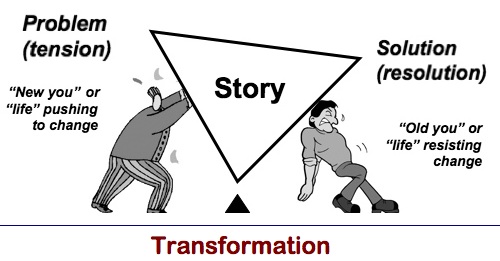
story map. I found Ohler's explanation of the story core extremely significant compared to the other parts because the basis of a successful story depends on the understanding of the story core model. The text describes the story core as "the journey that the hero takes [which] consists of of particular stages, including being called to adventure, denying the call, accepting a guide to help navigate the journey, passing tests, transformation, and return" (pg. 71). Conceptual understanding of the story core is crucial, but in my experience, a very complicated idea to teach.
As 6th graders, my students should already understand the ideas of the "story core" because of their experience in the primary grades where read aloud times are more prevalent. Although I love reading aloud to my students, other subject areas often take precedent. Thus, my students should know "the hero's journey," but I don't think many students do understand it. Many of my students were successful in explaining the beginning, middle, and end (something they've done for years) in their personal narratives writing assignment, but struggled to identify or explain the essential change or transformation of self to find a solution that resolves the tension (pg. 72). Although Ohler's Chapter 6 offers some facilitation for teachers to help their students develop the story core, more support is needed from the teacher's standpoint. As a newer teacher, I'm still learning how to be a better teacher. Thus, specific examples of how story core can be adapted to be humorous or serious would be most beneficial.
Although Ohler makes an ardent point regarding the use of story core "at the beginning of a DST project [to help] students focus..." (pg. 73), teachers have to make sure that their students understand the idea of story core before any good storytelling can occur.

No comments:
Post a Comment